Empowering Feedback & Repair
A two-part experiential online workshop featuring teachings and guided practices to help return to harmony after ruptures.
We are dedicated to creating, maintaining, and updating standards of ethical practice, supporting practitioners in realising their creative potential.

This two-part program on Empowering Feedback and Repair is led by Dr Phoebe Garland and Katie Sarra, Directors of the Relational Harmony Institute.
2026 Empowering Feedback & Repair Programs:
September 26th - Saturday 10 - 5 pm followed by Monday 28th 5 - 7.30 pm
November 21st - Saturday 10 - 5 pm followed by Monday 23rd 5-7.30 pm
Future 2027 Dates to be confirmed
This program is essential for practitioners aiming to deepen their power awareness and ethical practice, and to gain skills in facilitating feedback and navigating ruptures with care and grace.
When we have confidence in facilitating feedback and repair, it can save you countless hours of time and energy that could be used more productively.
The Empowering Feedback and Repair program is for Practitioners, Therapists, Coaches, Counsellors, Teachers, or Facilitators who work with either clients, patients, employees, or students.
These teachings are drawn from Dr Cedar Barstow and the Right Use of Power Institute (RUPI™ ), where Katie and Phoebe trained in facilitating these processes over a year-long program that is now integral as part of the RHI 4-year program teaching Somatic Intimacy Coaching, Somatic Intimacy Bodywork, leading to training Professional Supervisors and Somatic Sex Educators trained in the Right Use of Power.
How can we increase our awareness of our unintended impact, and how can we repair ruptures that occur following unintended impact?
“I’m growing in ways that bring me immense joy, knowing that I’m receiving so much more of my authentic liberated self that is coming back online from participating in this training. Through this first-hand experience of updating so many new versions of myself, I am blooming with excitement to be able to share this with my clients. The course is delivered in a very considerate and digestible manner. This is the kind of healing work that will help change the world.
Thank you, Katie and Phoebe.”
— CSI GraduateYou will receive these teachings in usable ways that you can immediately implement in your professional practice and daily life.
This live presentation, featuring guided embodied practices, is designed to enhance practitioners' understanding of power dynamics and their influence on our lives and professional practice.
‘Harmony can be understood to be the opposite ends of harp strings attuning with each other.’ - Katie Sarra
Empowering Feedback & Repair Program
Power Awareness - the Right Use of Power™ and Awareness of systems of power and power dynamics
This is a coaching model that illuminates the blind spots we all carry regarding Role Power and the Power differentials that implicitly influence agency, choice, and decision-making.
We have woven the RUPI™ syllabus into our RHI REEF™ (Relational Erotic & Emotional Fluency) coaching model, using Wheel of Consent practices to support the co-creation of attuned practitioner/Client relationship agreements.
In our experience, this unique blend within our RHI session structure, which includes feedback, helps prevent the formation of unseen ruptures and equips practitioners with the confidence to repair when there is an intention/impact mismatch.
Key components of this program
Power Awareness and Dynamics
Understanding personal and role power, and the responsibilities that come with the power differential between practitioner and client.
Encouraging reflection on personal history to better navigate power dynamics in professional relationships.
Feedback Mechanisms
Positioning feedback as a crucial component of the practitioner-client relationship.
Developing skills to receive and process difficult feedback with grace and openness, including managing reactivity and shame responses.
The 5-Step Repair Process
Learning and practising a structured approach to address and repair ruptures in the practitioner-client relationship resulting from unintended impacts.
Ethical Considerations and Application
Exploring themes such as projection, consent, dual roles, and self-care to fortify ethical practice.
Addressing peer ruptures and maintaining professional integrity.
Developing your Power Awareness skills.
From our over 40 years of clinical practice and over ten years of experience in training and certifying practitioners in Somatic Sexology, and from the public and private grievances in many professional fields, we have learned that practitioners may often lack awareness and skill, especially in the following areas:
Awareness of power dynamics, dual roles, power and consent, systemic power and privilege
Awareness of additional power dynamics and responsibilities when working with altered states, trauma and arousal
Misuse of Power Wounds - An awareness of your relationship with power and historical and current wounding from misuse of power
Understanding the power differential and the responsibilities of up power roles as a practitioner
Understanding the vulnerabilities of down-power roles and cultural and internalised influences that may affect a person's confident self-expression.
The ability to track your impact as a practitioner and recognise when it may differ from your intention.
Rupture and repair - duty of care - The ability to use the five-step repair process when a client is experiencing dysregulation with you as a practitioner (acknowledgement, understanding, remorse, repair, learning)
Honouring the client's experience of harm with open receptivity and empowering clients to feel confident about voicing and sharing upset or impact as a result of your or another's power and influence.
An understanding of how you notice your reactions to receiving difficult feedback and what supports you to feel resourced to inhabit your duty of care as a practitioner in the face of these reactions and to transform these into responsiveness using the five-step repair process.
A commitment to seek supervision and to apply the repair process whenever another has been impacted.
Five Steps for Deeper Intimacy
In five simple steps, we can mend
When we recognise the hurt we've caused.
Noticing the pain in another, we take a breath and choose to listen.
In our roles as practitioners, we have the power to heal, to offer support.
When someone is distressed, we can create space for understanding and reconnection.
Through these 5 steps -
Reflecting on times we felt unseen, there's always the chance for repair,
Role-playing the support we needed, bringing empathy and awareness into our interactions.
With genuine acknowledgement, understanding, and heartfelt apologies,
We can cultivate the skills of care, transforming hurts into paths of healing.
Linda Kaarina - Relational Harmony Institute - CSI Somatic Intimacy Coach
Our Empowering Feedback & Repair Facilitators
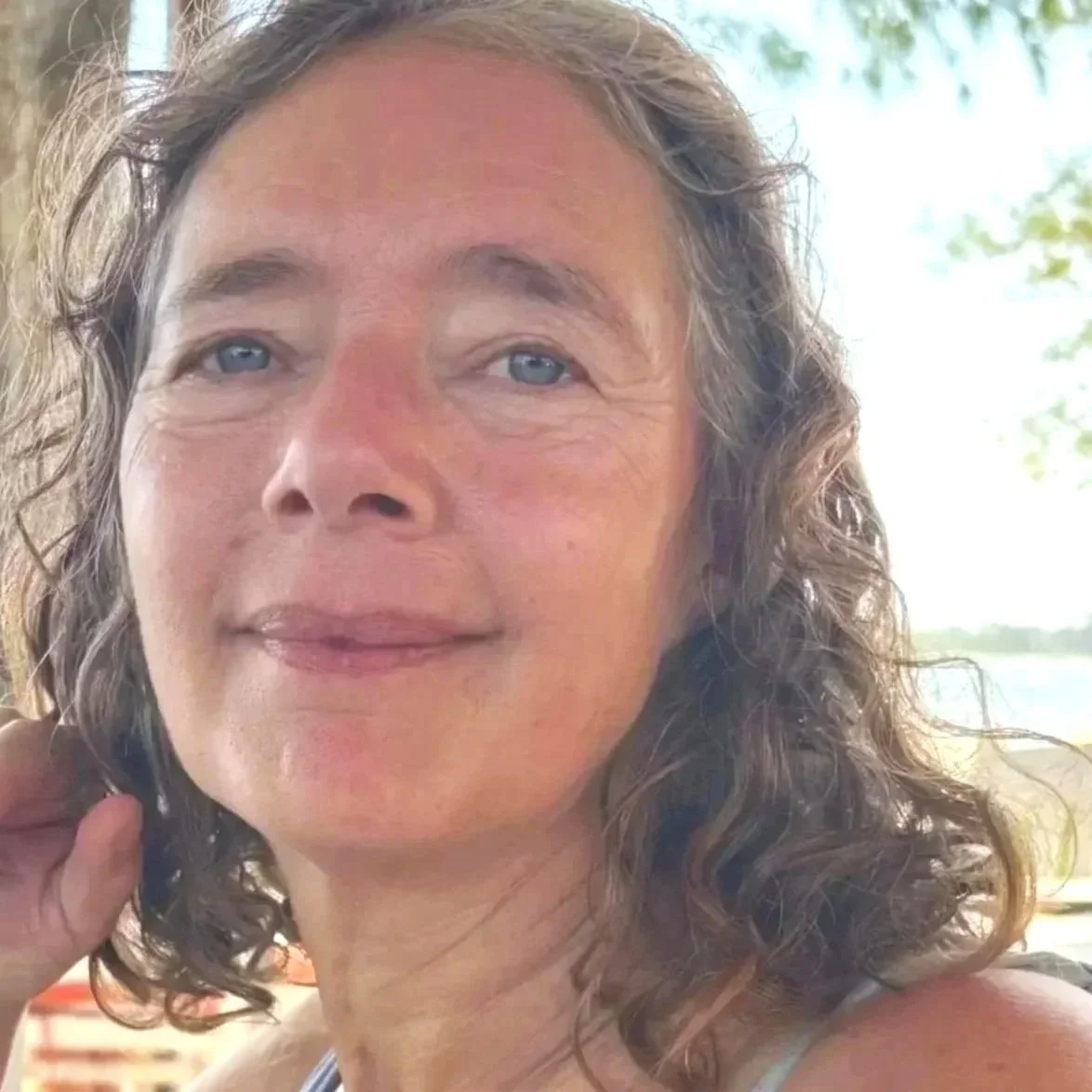
Dr Phoebe Garland
Dr Phoebe Garland specialises in training practitioners in Somatic Intimacy Coaching & Bodywork and Somatic Sex Education & Supervision. With over 30 years of clinical experience as a GP,She has attended to the many aspects of pain, inflammation and injuries that impact our ability to participate in life alongside disconnections from care that, when not listened to, can manifest as disease in our bodies.
Throughout her extensive career, she has trained in various disciplines, including shamanism, homoeopathy, group mindfulness training, yoga, Buddhism, the Enneagram, and nutrition. This diverse knowledge base has deepened her insight into the power of intention to mend our wounds—be they physical, emotional, or spiritual.
Co - Founder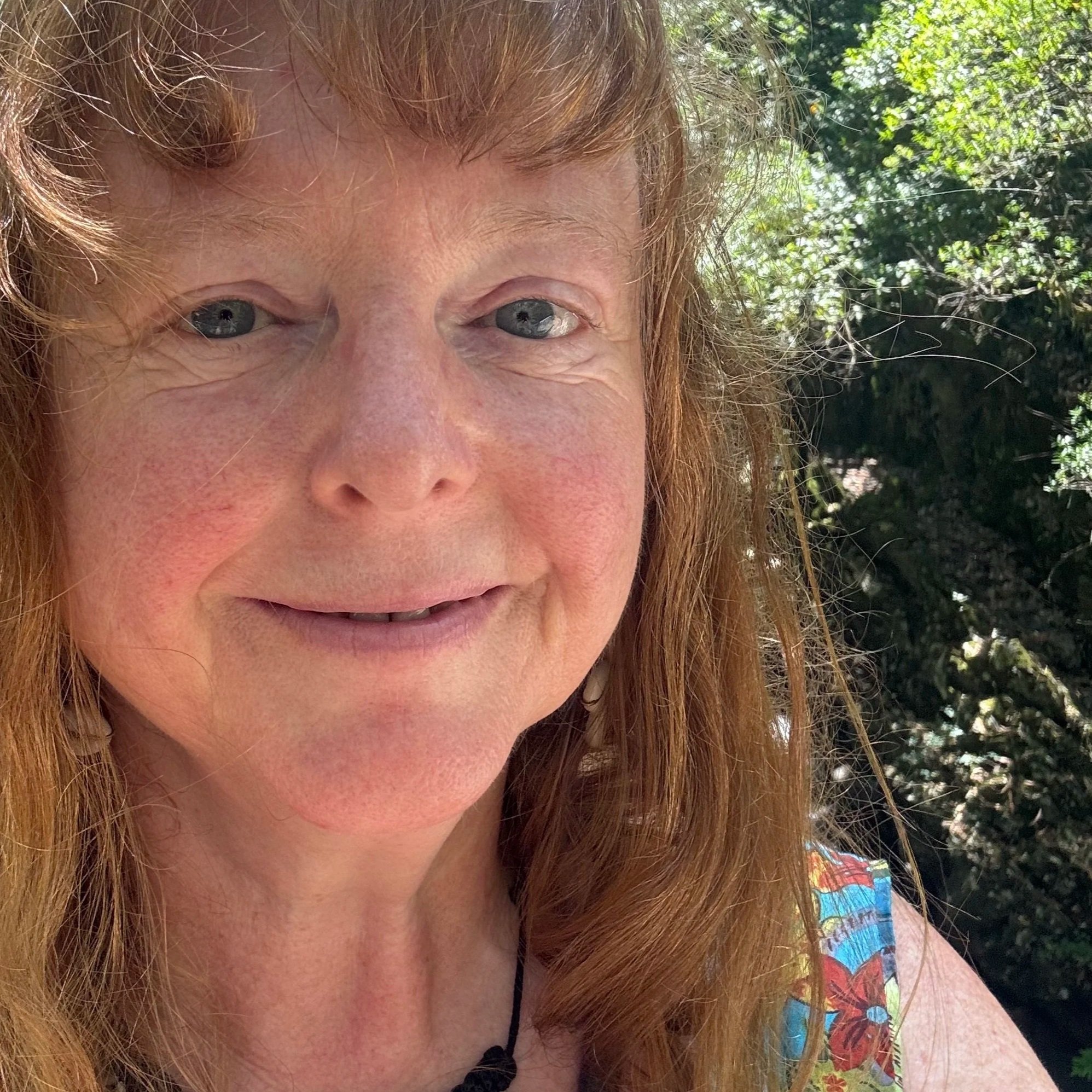
Katie Sarra
Katie Sarra has been training practitioners in Somatic Intimacy Coaching & Bodywork, along with Somatic Sex Education & Supervision, since 2014. She brings over 40 years of clinical experience to her work, including roles as an Art Psychotherapist in acute inpatient settings, community mental health settings, and substance misuse teams, supporting people integrate exiled aspects of self that impact participation in life.
Her over 20 years of practice in Playback Theatre have shown the value of intimacy in community and of sharing our stories. Her years of practice in Sacred Intimacy and teaching Tantra form the foundation for understanding the necessary ethics when working with altered states. She integrates teachings from various Shamanic disciplines with insights from Affective Relational Neuroscience to explore how integration processes can support us in trusting our attuned creative spontaneity.
Co- Founder
Special acknowledgement to our teacher - Dr Cedar Barstow - Founder of The Right Use of Power
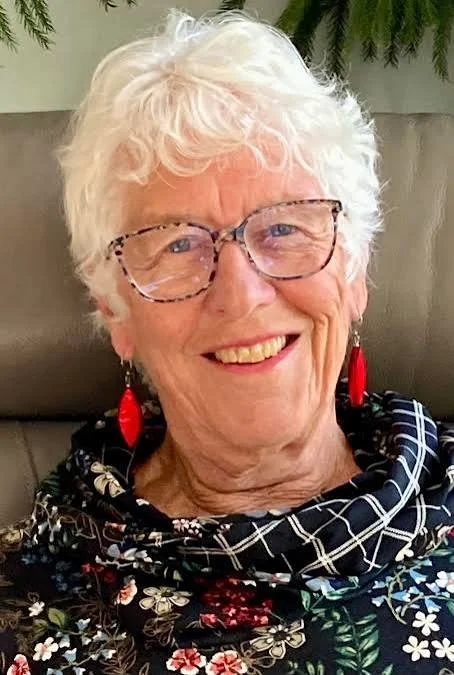
The Right Use of Power™ educational materials and exercises were developed by Cedar over a period of 20 years and dozens of trainings.
Cedar (she/her) is a consultant and teacher on ethics and ethical issues. She has been designing, developing, and teaching this approach since 1994. Cedar’s background includes 30 years as a psychotherapist and 25 years as a teacher. She is the author of books and articles on ethics, counselling with elders, women and independence, and psychotherapy and spirituality. Cedar is also a Hakomi Experiential Psychology Trainer and a member of the Naropa University Adjunct Faculty.
She maintains a private psychotherapy and ethics consulting practice in Boulder/Denver and teaches both Right Use of Power™ and Hakomi nationally and internationally.
The Right Use of Power™ educational materials and exercises were developed by Cedar over 20 years and through dozens of training sessions.
These teachings have been influenced by many sources in Cedar’s background. She is particularly grateful for her extensive experiences as an administrator, therapist, and trainer of the Hakomi Method of Experiential Psychotherapy, chair of both the Hakomi Institute International Ethics Committee (HIEC) and the United States Association of Body Psychotherapy (USABP) Ethics Committee, ethics expert contributor to GoodTherapy.org, consultant to numerous organisations, and ceremonialist with the Earth Song Ceremonial Dance Community.
Grievances in the field of sexological bodywork
Katie has served on the ACSB Ethics Committee and Grievance Council, contributing to the updating of our profession's ethics, where there are multiple ruptures in our field due to experiential blind spots in relation to the duty of care and power differentials.
Phoebe contributed to the ethics of our profession, serving on the ACSB Board, and together with Katie, has rebuilt the Relational Harmony Institute CSB and CSSE training to include the Certified Somatic Intimacy Coach program to inhabit the skills required to attend to the ruptures that lead to separation and loneliness that are the heart of this work. To support practitioners in our field, The Relational Harmony Institute also trains CSSEs in a two-year program to become Professional Supervisors.
We are both in service to sharing what we have learned.
In this process, like the fasting process, we starve our fighting cells of fuel.
In their survival intelligence, they might be like the kicks of a dying horse
If we can bear the intensity and feed them with understanding instead of justifications:
We might die together as fighters, and our original cells of care might sprout and thrive again, and the war is done.
Ng’ethe Wa NJambi Yaa Kithi Kombe (A'akukui Wisdom teacher)